Medical Program
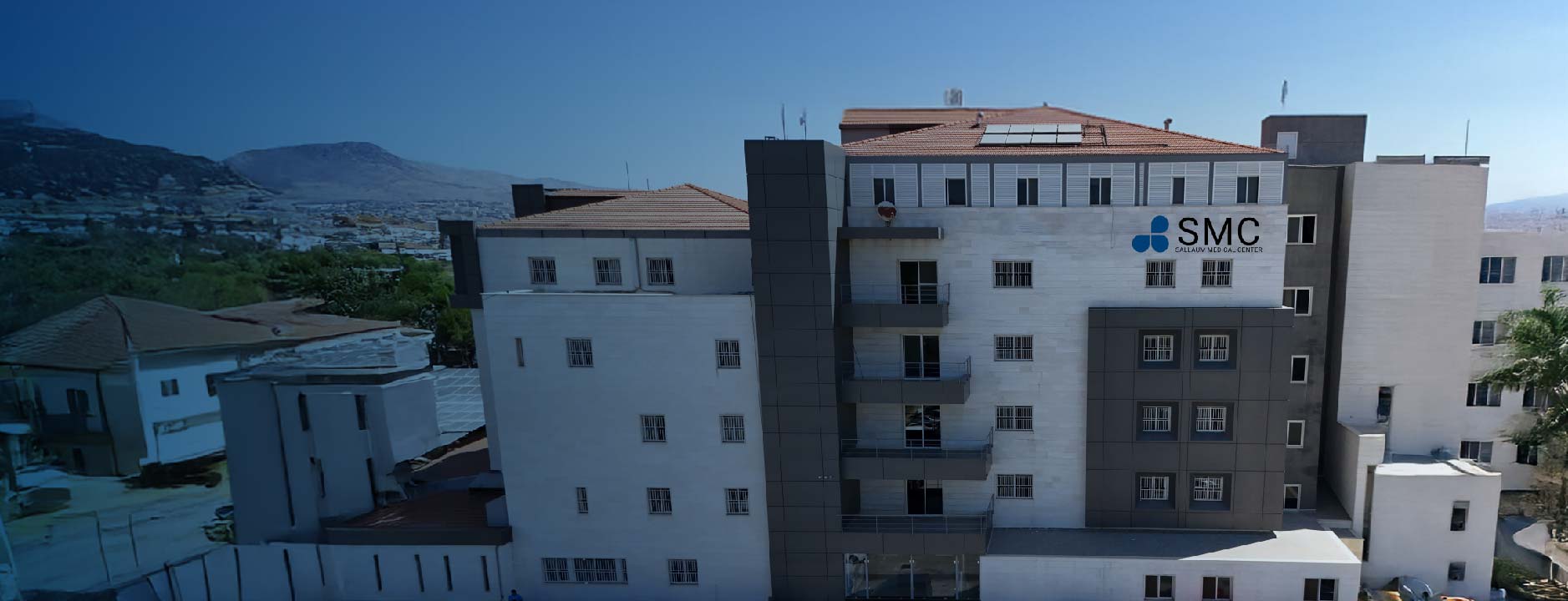
The Medical Program aims to improve the health of communities in Lebanon by providing access to essential medical services. Through this program, we focus on primary healthcare, preventive measures, and health education to ensure that communities are empowered to live healthier lives.
Benefits
- Individuals and families in the Bekaa region will have improved access to essential medical services, ensuring that healthcare is delivered effectively and appropriately.
- By prioritizing primary healthcare, the program aims to address health issues at an early stage, enhancing individuals’ well-being and preventing medical conditions from worsening.
- The program also includes preventive measures aimed at reducing diseases and health problems through awareness campaigns.
- The program can reduce overall healthcare costs by focusing on preventive care and early intervention, benefiting both individuals and the healthcare system, leading to more efficient allocation of resources.
- The program seeks to reduce health disparities and promote inclusiveness by ensuring that all individuals have access to basic medical services, regardless of their socioeconomic status or geographic location.
- We provide support for hospitalization and medication for underprivileged individuals according to a pre-defined eligibility criterion.
1. Applicants must provide personal information including: full name, middle name, last name, date of birth, email address, full address, and phone number.
2. Applicants must specify the type of assistance required, such as medication, radiation, or ongoing support for chronic illnesses.
3. Applicants must provide the cost of treatment and contact information for their treating physician, as well as hospital details (if applicable).
4. Applicants must clearly explain their economic and health situation, including: personal financial circumstances, financial difficulties, health status, family responsibilities, personal efforts to address financial and health challenges, need for financial assistance, and expected duration of support. Supporting documents such as expense statements, personal circumstantial evidence, and medical reports, if requested, must also be included.
5. Applicants must attach the required documents.
Expenditure statements: Clearly detail monthly expenses, including rent or mortgage payments.
Personal circumstantial evidence: Such as death, marriage, or divorce certificates, if applicable. Medical reports: Reports from medical professionals detailing the patient's health condition and need for assistance.
Additional supporting documents: Any other documents that support the application.
Note: Personal photos of patients should not be included in the attachments.
1- Do you provide direct cash payments to patients?
No, we do not provide direct cash payments to patients. Our organization operates with a strict commitment to transparency and accountability. Instead of transferring funds directly to individuals, we pay hospitals and pharmacies directly to ensure that financial support reaches the intended beneficiaries to meet their medical needs. This approach allows us to maintain a clear record of financial transactions and ensure that support is used for its intended purpose in the most efficient and transparent way. If you have any specific questions or concerns regarding payment mechanisms, please do not hesitate to contact our support team for further information.
2- How is my privacy protected?
At the Salloum Humanitarian Foundation, protecting your privacy is our top priority. We adhere to a strict privacy and confidentiality policy, with a mechanism designed to ensure the highest level of protection for your personal information. Our foundation follows best practices in this field and applicable legal standards to guarantee the confidentiality of your data and ensure that it is not used or shared outside the scope of its intended purpose, except with your permission or as required by law and regulations.